The Ultimate Guide to Renovating a Small Kitchen Cheaply
The Ultimate Guide to Renovating a Small Kitchen Cheaply
Planning & Design: Laying the Groundwork for Savings
Before you even think about swinging a hammer, meticulous planning is paramount for a budget-friendly small kitchen renovation. This is where you solidify your vision and avoid costly mid-project changes.
-
Define Your Needs & Wants: Be brutally honest. What truly needs upgrading versus what you want? Prioritize functionality. Is it more storage, improved lighting, or better workflow? Separate “essentials” from “desirables.” Think about your cooking style and how you actually use the space. If you rarely bake, a fancy oven might be a waste of budget.
-
Measure Everything, Twice: Accurate measurements are crucial. Map out the existing layout precisely, noting the location of plumbing, electrical outlets, and windows. Use graph paper or free online kitchen design tools to experiment with different arrangements. Consider the “kitchen work triangle” (sink, stove, refrigerator) and aim for optimal efficiency.
-
Set a Realistic Budget: Honesty is key. Research the approximate costs of materials and labor (if you’re hiring any). Allocate funds for each aspect of the project: cabinetry, countertops, appliances, flooring, lighting, hardware, and plumbing/electrical work. Add a 10-15% contingency fund for unexpected expenses. Overestimate rather than underestimate.
-
Explore Low-Cost Design Options: Brainstorm creative, budget-conscious design ideas. Consider open shelving instead of upper cabinets (cheaper and creates a sense of spaciousness). Opt for a smaller sink. Maximize vertical space with tall, narrow cabinets. Integrate multifunctional furniture like a folding table or breakfast bar.
-
Create a Detailed Project Timeline: Break down the renovation into manageable phases, assigning realistic deadlines to each. This helps prevent delays and keeps you on track financially. Factor in lead times for ordering materials, especially custom items.
-
Consider DIY Potential: Evaluate your skills and comfort level. Can you handle demolition, painting, tiling, or installing hardware? DIY can save significant labor costs, but be realistic about your abilities. Don’t tackle tasks that are beyond your skill set, as mistakes can be expensive to fix.
Saving on Cabinets: The Heart of the Kitchen
Cabinets often consume a significant portion of the renovation budget. Here’s how to save without sacrificing style and functionality:
-
Refacing Existing Cabinets: If your existing cabinet boxes are structurally sound, refacing is a budget-friendly alternative to replacing them entirely. This involves replacing the doors, drawer fronts, and hardware, and applying a new veneer to the exposed surfaces.
-
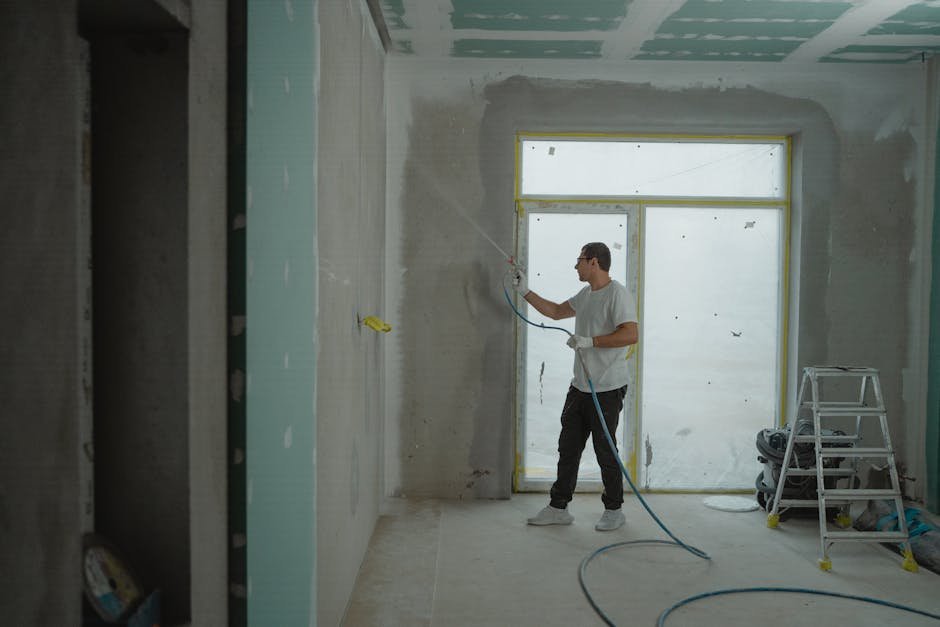
Painting Existing Cabinets: A fresh coat of paint can dramatically transform tired-looking cabinets. Thoroughly clean and prime the surfaces before applying high-quality cabinet paint. Consider using a paint sprayer for a professional finish.
-
Open Shelving: As mentioned earlier, open shelving is a significantly cheaper option than upper cabinets. It creates a sense of openness and allows you to display your favorite dishes and cookware. Choose durable shelves made from solid wood or metal.
-
Flat-Pack Cabinets: Ready-to-assemble (RTA) cabinets are a cost-effective alternative to custom-built cabinets. They come in a variety of styles and finishes and can be assembled yourself, saving on installation costs. Ikea and other retailers offer a wide selection of RTA cabinets.
-
Used Cabinets: Explore options for purchasing used cabinets from salvage yards, online marketplaces (Facebook Marketplace, Craigslist), or Habitat for Humanity ReStores. You might find high-quality cabinets at a fraction of the price of new ones. Thoroughly inspect used cabinets for damage before purchasing.
-
Repurpose Furniture: Consider repurposing existing furniture into kitchen storage. An old dresser can be transformed into a kitchen island or a sideboard can be used as a base for a countertop.
Countertop Solutions: Affordable Elegance
Countertops are another major expense. Here’s how to achieve a stylish look without breaking the bank:
-
Laminate Countertops: Laminate is the most affordable countertop material. It comes in a wide variety of colors and patterns and is relatively easy to install. While it’s not as durable as granite or quartz, it’s a practical choice for budget-conscious renovations.
-
Butcher Block Countertops: Butcher block is a warm and inviting option that’s relatively affordable. It’s easy to clean and maintain, and can be refinished if it becomes scratched or stained.
-
Tile Countertops: Tile countertops are a versatile and cost-effective option. Choose a durable tile that’s easy to clean and maintain. Consider using large-format tiles to minimize grout lines.
-
Concrete Countertops (DIY): If you’re feeling adventurous, you can create your own concrete countertops. This is a labor-intensive project, but it can save you a significant amount of money. Research the process thoroughly before starting.
-
Remnants: Ask countertop fabricators if they have any remnants (leftover pieces) from previous projects. You might find a piece that’s the perfect size for your small kitchen at a discounted price.
Appliances & Fixtures: Smart Shopping Strategies
Appliances and fixtures can quickly eat into your budget. Here’s how to save without compromising quality:
-
Shop Around for Sales: Don’t settle for the first price you see. Compare prices at different retailers and look for sales, discounts, and rebates. Consider purchasing appliances during holiday sales or clearance events.
-
Consider Open-Box or Refurbished Appliances: Open-box appliances are appliances that have been returned to the store, but are still in good working condition. Refurbished appliances have been repaired and restored to like-new condition. These options can save you a significant amount of money.
-
Prioritize Energy Efficiency: Choose energy-efficient appliances to save money on your utility bills in the long run. Look for appliances with the Energy Star label.
-
Simple Fixtures: Opt for simple and functional faucets, sinks, and lighting fixtures. You don’t need to spend a fortune on fancy features.
-
Update Hardware: Replacing outdated cabinet hardware (knobs and pulls) is a quick and inexpensive way to update the look of your kitchen.
Lighting & Flooring: The Finishing Touches
Lighting and flooring can significantly impact the overall look and feel of your small kitchen.
-
Maximize Natural Light: Keep windows clean and unobstructed to maximize natural light. Consider adding a skylight or a larger window if possible.
-
Layered Lighting: Use a combination of ambient, task, and accent lighting to create a well-lit and inviting space. Install under-cabinet lighting to illuminate countertops.
-
Vinyl Flooring: Vinyl flooring is a durable, water-resistant, and affordable option. It comes in a variety of styles and patterns, including wood-look and tile-look vinyl.
-
Tile Flooring: Tile is a classic and durable flooring option that’s relatively affordable. Choose a tile that’s easy to clean and maintain.
-
Refinish Existing Hardwood Floors: If you have existing hardwood floors, consider refinishing them instead of replacing them. This can save you a significant amount of money.
DIY & Labor: Maximizing Your Resources
Labor costs can be a significant expense. Here’s how to save money on labor:
-
DIY Demolition: Demolishing existing cabinets and flooring is a relatively easy DIY project that can save you money on labor costs.
-
Painting & Tiling: If you’re comfortable with painting and tiling, you can save money by doing these tasks yourself.
-
Get Multiple Quotes: If you’re hiring contractors for any part of the renovation, get multiple quotes from different contractors. This will help you ensure that you’re getting a fair price.
-
Negotiate: Don’t be afraid to negotiate prices with contractors and suppliers.
-
Help Out: Offer to help the contractors with tasks such as cleanup or material transport. This can save you money on labor costs.
By carefully planning, prioritizing needs, and embracing DIY solutions, you can transform your small kitchen into a stylish and functional space without breaking the bank. Remember to focus on value and prioritize long-term savings over immediate costs. Good luck!
