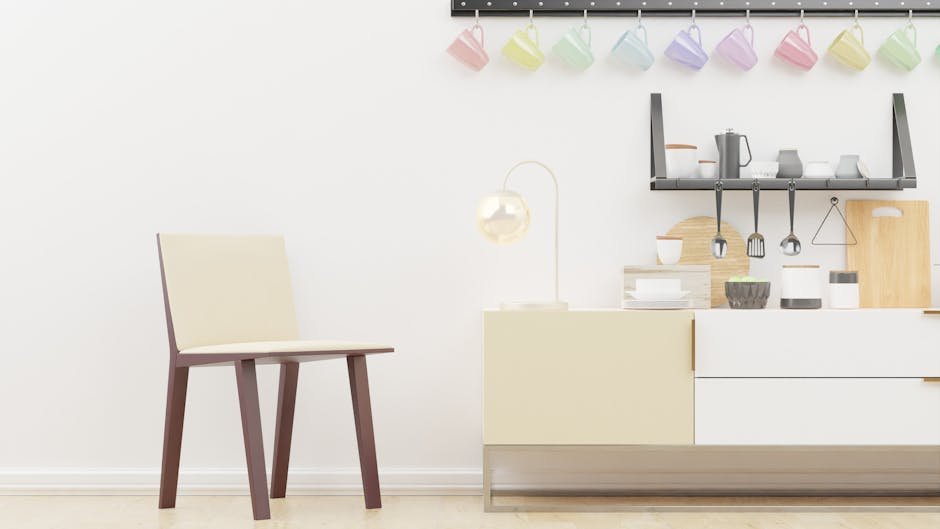
Small Space Sanctuary: Creating a Cozy Home
Small Space Sanctuary: Creating a Cozy Home
Maximizing Functionality with Multifunctional Furniture:
The cornerstone of a comfortable small space is furniture that pulls double duty. Forget bulky, single-purpose pieces. Instead, seek out items designed to optimize every square inch. A sofa bed is an obvious choice for accommodating guests without dedicating an entire room. Look for models with built-in storage underneath the cushions or within the armrests. These hidden compartments are perfect for stashing extra linens, pillows, or even off-season clothing.
Consider a coffee table that transforms into a dining table or a lift-top desk. This eliminates the need for separate furniture, saving precious floor space. Opt for storage ottomans that provide seating, a footrest, and a place to conceal clutter. Nesting tables offer versatility – use them together as a larger surface or separately as needed. Wall-mounted desks and folding tables are excellent solutions for temporary workspaces that can be tucked away when not in use. When selecting multifunctional furniture, prioritize quality and durability. Cheaper options may break down quickly, negating the cost savings in the long run.
Vertical Solutions: Reaching New Heights of Space Efficiency:
Don’t limit your storage to floor level. Embrace verticality to maximize the usable area in your small home. Tall, narrow bookshelves are a fantastic way to store books, display decorative items, and even create a faux room divider. Install floating shelves above eye level to store less frequently used items. These shelves can also add visual interest and personalize the space.
Utilize wall-mounted organizers in the kitchen and bathroom. Hanging pot racks, utensil holders, and spice racks free up valuable counter space. Over-the-door organizers are ideal for storing shoes, cleaning supplies, or toiletries. Consider installing a vertical garden to bring a touch of nature indoors without taking up floor space. When planning your vertical storage solutions, prioritize accessibility. Items that you use frequently should be within easy reach, while less frequently used items can be stored higher up.
The Power of Light: Illuminating and Expanding Your Space:
Light, both natural and artificial, plays a crucial role in creating a sense of spaciousness in a small home. Maximize natural light by keeping windows clean and free of heavy curtains or blinds. Opt for sheer or lightweight curtains that allow sunlight to filter through while still providing privacy. Mirrors are your allies in reflecting and amplifying light. Place a large mirror opposite a window to bounce light around the room and create the illusion of a larger space. Strategically placed smaller mirrors can also enhance the sense of depth.
In terms of artificial lighting, avoid relying solely on a single overhead light. Instead, layer different types of lighting to create a warm and inviting ambiance. Task lighting, such as a desk lamp or a reading light, provides focused illumination for specific activities. Ambient lighting, such as floor lamps or wall sconces, creates a soft, diffused glow. Accent lighting, such as spotlights or track lighting, highlights artwork or architectural features. Choose light bulbs with a warm color temperature to create a cozy and relaxing atmosphere.
Color Palette Magic: Creating Visual Harmony and Depth:
The colors you choose for your walls, furniture, and accessories can significantly impact the perceived size of your space. Opt for a light and neutral color palette, such as white, cream, beige, or gray, to create a sense of airiness and openness. These colors reflect light, making the room feel brighter and larger. Use darker colors sparingly, as accent walls or for furniture, to add depth and visual interest.
Avoid using too many contrasting colors, as this can make the space feel cluttered and busy. Instead, choose a few complementary colors and use them consistently throughout the room. Consider using a monochromatic color scheme, which involves using different shades and tones of the same color. This can create a sense of sophistication and harmony. Incorporate pops of color through accessories, such as throw pillows, blankets, and artwork, to add personality and vibrancy to the space.
Decluttering and Organization: Essential Steps to a Cozy Sanctuary:
No matter how well you design your small space, it will never feel truly cozy if it’s cluttered and disorganized. Regularly declutter your belongings and get rid of anything that you don’t need, use, or love. Donate or sell unwanted items to free up space. Invest in storage solutions, such as baskets, bins, and containers, to keep your belongings organized and out of sight.
Designate a specific place for everything and make it a habit to put things back where they belong. Utilize vertical storage options to maximize space in closets and cabinets. Regularly purge your wardrobe and get rid of clothes that you no longer wear. Consider using space-saving storage solutions, such as vacuum-sealed bags, to compress bulky items like comforters and pillows. A clutter-free space promotes a sense of calm and relaxation, which is essential for creating a cozy sanctuary.
Bringing the Outdoors In: Connecting with Nature in a Small Space:
Adding plants to your small space can instantly create a sense of tranquility and connection to nature. Choose plants that thrive in low-light conditions if you don’t have access to ample natural light. Snake plants, ZZ plants, and pothos are all easy-to-care-for options. Consider hanging plants or using vertical planters to save floor space.
Incorporate natural elements into your décor, such as wood, stone, and textiles. These materials add warmth and texture to the space. Open windows regularly to let in fresh air and natural sounds. Create a small outdoor oasis on a balcony or patio, if possible. Even a few potted plants and a comfortable chair can transform a small outdoor space into a relaxing retreat.
Personal Touches: Adding Character and Creating a Unique Ambiance:
While maximizing space and functionality is crucial, don’t forget to infuse your personality into your small home. Display artwork, photographs, and other items that reflect your interests and passions. Choose décor that speaks to you and makes you feel happy and comfortable. Create a cozy reading nook with a comfortable chair, a warm blanket, and a good book.
Incorporate textures and patterns to add visual interest and depth to the space. Use soft rugs, plush pillows, and textured throws to create a cozy and inviting atmosphere. Pay attention to the details, such as the lighting, the scent, and the sound, to create a sensory experience that is both comforting and stimulating. Remember, your home should be a reflection of your unique personality and a sanctuary where you can relax, recharge, and feel truly at peace.
Smart Technology Integration: Enhancing Comfort and Convenience:
Smart home technology can significantly enhance the comfort and convenience of your small space. Consider investing in smart lighting, which allows you to control the brightness and color temperature of your lights from your smartphone or tablet. Smart thermostats can help you regulate the temperature in your home and save energy. Smart speakers can provide hands-free control of your music, lighting, and other smart home devices.
Smart storage solutions, such as automated closet systems, can help you maximize space and keep your belongings organized. Smart appliances, such as compact washing machines and dryers, can save space and energy. When integrating smart technology into your small home, prioritize functionality and ease of use. Choose devices that seamlessly integrate with your existing décor and enhance your daily life.
The Importance of Scent: Creating a Welcoming and Relaxing Atmosphere:
Scent plays a powerful role in creating a specific mood and atmosphere. Use scented candles, essential oil diffusers, or room sprays to create a welcoming and relaxing ambiance in your small home. Choose scents that evoke positive emotions and memories. Lavender, chamomile, and sandalwood are all known for their calming and relaxing properties. Citrus scents, such as lemon and grapefruit, can be energizing and uplifting.
Avoid using artificial fragrances, which can be irritating to some people. Opt for natural scents derived from essential oils or botanical extracts. Consider using a combination of different scents to create a layered and complex olfactory experience. Pay attention to the season and choose scents that reflect the time of year. Warm and spicy scents are perfect for winter, while fresh and floral scents are ideal for spring and summer.
