Small Space Office: Decorating Ideas
Maximizing Productivity in Miniature: Clever Decorating Ideas for Small Space Offices
The modern work landscape often demands flexibility, leading many professionals and creatives to carve out office spaces in the nooks and crannies of their homes. While a dedicated room is a luxury, a productive and inspiring workspace is achievable even in the smallest of areas. The key lies in strategic decorating – maximizing functionality, minimizing clutter, and cultivating an environment conducive to focus and creativity.
1. Vertical Advantage: Walls as Storage and Style Canvases
In small spaces, the floor is precious real estate. Exploit vertical space ruthlessly. Install shelves that reach the ceiling. Floating shelves offer a sleek, minimalist aesthetic, while wall-mounted cabinets provide enclosed storage for less visually appealing items. Consider a pegboard organizer, allowing for customizable storage of tools, stationery, and even decorative items. Beyond storage, walls are prime areas for visual interest. A large, inspiring piece of art, a motivational quote, or even a gallery wall of smaller prints can add personality without consuming floor space. Mirrors are also powerful tools, creating the illusion of a larger, brighter room by reflecting light. Choose frames that complement your overall design scheme.
2. Multifunctional Furniture: The Space-Saving Champions
Embrace furniture that serves multiple purposes. A Murphy bed with a built-in desk seamlessly transforms a guest room into a functional office. A storage ottoman provides extra seating and concealed storage for blankets, files, or office supplies. A console table behind a sofa can double as a narrow desk. Look for desks with built-in drawers and shelves. Nesting tables offer flexibility, allowing you to expand your workspace when needed and collapse them for more open space. Consider a rolling cart for supplies, easily movable to different areas of the room as needed. When selecting chairs, prioritize ergonomics. A comfortable, supportive chair is essential for productivity, even if it means sacrificing some aesthetic considerations.
3. Light and Bright: Illuminating for Focus and Ambience
Adequate lighting is crucial for any workspace, but especially so in small areas. Maximize natural light by positioning your desk near a window. If natural light is limited, invest in layered lighting. Overhead lighting provides general illumination, while task lighting focuses light on your work area. A desk lamp with adjustable brightness and direction is essential. Consider adding ambient lighting with a floor lamp or string lights to create a more relaxed and inviting atmosphere. Choose light bulbs with a color temperature that promotes focus and reduces eye strain. Avoid harsh, fluorescent lighting, opting instead for warm or neutral white LED bulbs. Reflective surfaces, such as mirrors and glossy paint, can also help to amplify light and make the space feel brighter.
4. Color Palette Psychology: Painting Your Way to Productivity
The colors you choose for your small office can significantly impact your mood and productivity. Light and neutral colors, such as white, cream, and light gray, create a sense of spaciousness and reflect light, making the room feel larger. Avoid dark colors, as they can make a small space feel cramped and oppressive. Introduce pops of color through accessories, artwork, or accent walls. Blues and greens are calming and promote focus, while yellows and oranges can energize and inspire creativity. Consider the psychological impact of each color before making your final decision. Monochromatic color schemes can also be effective, using varying shades of the same color to create depth and visual interest.
5. Organization is Key: Taming the Clutter Monster
Clutter is the enemy of productivity, especially in small spaces. Implement a robust organizational system to keep your workspace tidy and efficient. Use drawer dividers, file folders, and storage containers to organize documents, supplies, and other items. Label everything clearly so you can easily find what you need. Regularly declutter your desk and surrounding area, removing anything that is not essential for your current task. Invest in a cable management system to keep cords and wires organized and out of sight. A clean and organized workspace will help you to focus and reduce stress. Consider a digital filing system to minimize paper clutter.
6. Desk Details: Small Touches, Big Impact
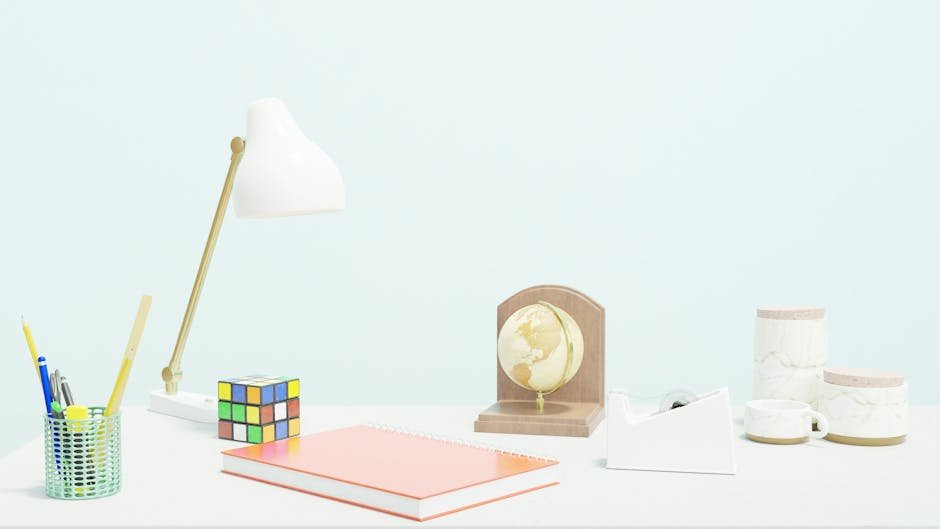
Even small details can make a big difference in a small office. Choose desk accessories that are both functional and aesthetically pleasing. A stylish pen holder, a decorative tape dispenser, and a small plant can add personality to your workspace. Personalize your desk with photos, artwork, or other items that inspire you. Consider the ergonomics of your desk setup, ensuring that your monitor, keyboard, and mouse are positioned correctly to prevent strain. A comfortable mouse pad with wrist support can also improve comfort and reduce fatigue.
7. Greenery Boost: Bringing the Outdoors In
Plants are not only aesthetically pleasing, but they also improve air quality and reduce stress. Choose plants that are easy to care for and thrive in low-light conditions. Succulents, snake plants, and ZZ plants are all excellent options. Consider placing a small plant on your desk, a hanging planter near a window, or a larger plant in a corner. The presence of greenery can create a more calming and inviting workspace.
8. Zoning Techniques: Defining Work and Life Boundaries
In a small space, it is important to clearly define the boundaries between your work and living areas. Use visual cues, such as a rug, a room divider, or a change in wall color, to delineate your office space. When you are not working, make an effort to put away your work materials and transform the space back into its original function. This will help you to separate your work life from your personal life and prevent burnout.
9. Tech Integration: Streamlining Your Digital Workspace
In the modern office, technology is essential. Choose a laptop over a desktop computer to save space. Invest in a wireless keyboard and mouse to eliminate clutter. Utilize cloud-based storage and collaboration tools to reduce the need for physical files. A docking station can allow you to connect your laptop to a larger monitor, keyboard, and mouse when you are working at your desk. Consider using a noise-canceling headset to minimize distractions.
10. Personalization is Paramount: Creating a Space That Inspires You
Ultimately, the most important aspect of decorating a small office is to create a space that inspires you and promotes productivity. Surround yourself with items that you love and that motivate you. Create a vision board with images and quotes that inspire you. Play music that helps you to focus. Make sure your office reflects your personality and your professional goals. A personalized workspace will make you feel more comfortable, motivated, and productive.
