
Inflation Rate Explained Simply: Your Guide to Economic Stability
Inflation Rate Explained Simply: Your Guide to Economic Stability

The inflation rate is central to understanding economic health and its direct impact on daily life. My aim is to demystify this critical economic indicator.
Many assume inflation simply means everything gets more expensive; it actually reflects a sustained increase in the general price level of goods and services. Understanding this distinction is key.
While extreme inflation is detrimental, moderate inflation often signals a healthy, growing economy. We must look beyond immediate price changes.
This article provides a clear understanding of what the inflation rate means, why it occurs, and how to navigate its effects. Prepare to gain a sharper perspective on your personal finances.
What Exactly is the Inflation Rate and How is it Measured?
The inflation rate quantifies the pace at which prices for goods and services increase. It indicates how much less money can buy, an invisible force eroding purchasing power.
This rate, a calculated average across a broad basket of goods and services, is a vital metric economists and policymakers track for economic assessment.
High inflation often pinches consumers. Conversely, very low or negative inflation (deflation) can signal economic stagnation. Both extremes pose unique challenges.
Governments and central banks monitor the inflation rate to maintain price stability and foster sustainable economic growth. This vigilance is essential.
Measuring the Inflation Rate with CPI
The most recognized measure of the inflation rate is the Consumer Price Index (CPI), tracking average price changes paid by urban consumers for a market basket of goods and services. It offers a snapshot of typical household expenses.
CPI calculation involves surveying thousands of items, weighted by household spending. Changes reflect the percentage change in the basket’s cost, directly showing the prevailing inflation rate, helping analysts understand cost of living trends.
Governments rely on CPI to adjust social security benefits and tax brackets, impacting millions. Accurate CPI calculation is paramount.
How the Inflation Rate Affects Purchasing Power
If the average inflation rate is 3%, your $100 buys less. Something costing $100 might cost $103, directly eroding purchasing power.
Individuals find savings or fixed incomes lose value if they don’t grow faster than inflation. Money saved has less buying power, acting as a silent tax on cash holdings.
Strategizing to make money work harder is often a necessity. This erosion also impacts wages if they don’t increase proportionally.
Why Does the Inflation Rate Fluctuate?
The inflation rate is dynamic, influenced by economic factors. Understanding these drivers is crucial for predicting shifts in cost of living; it’s rarely a single cause.
One primary reason stems from supply and demand balance. When demand outstrips supply, prices tend to rise. This fundamental economic principle is always at play.
Shifts in production costs—like raw materials, labor, or energy—can push the inflation rate up, with businesses often passing these costs along.
Government fiscal policies and central bank monetary actions also shape inflationary pressures. Decisions on interest rates or spending directly impact the money supply and economic activity. I also consider managing personal [finances](LINK_INTERNO: finances) a critical skill. I closely watch these announcements.
Demand-Pull and Cost-Push Factors Behind Inflation
Demand-pull inflation occurs when aggregate demand outpaces productive capacity—too much money chasing too few goods. This leads to upward price pressure, common in expanding economies as consumer spending increases.
Conversely, cost-push inflation arises from increased production input costs. A surge in oil prices, for instance, makes transportation more expensive, prompting businesses to raise prices. This is driven by operational costs, not demand.
Both factors can occur simultaneously, challenging policymakers to formulate effective economic strategies.
Global Supply Chains and Inflationary Pressures
Global supply chains significantly impact the inflation rate. Disruptions—from natural disasters to geopolitical events—can restrict goods availability, directly affecting prices.
Delays at major ports or manufacturing lockdowns slow product flow. Scarcity drives costs up, passed to consumers.
Increases in shipping costs or tariffs add business overhead, contributing to final retail prices. It’s a complex global dynamic.
Stable, efficient global supply chains are critical in maintaining price levels and managing the overall inflation rate. Vulnerabilities quickly translate into inflationary pressures.
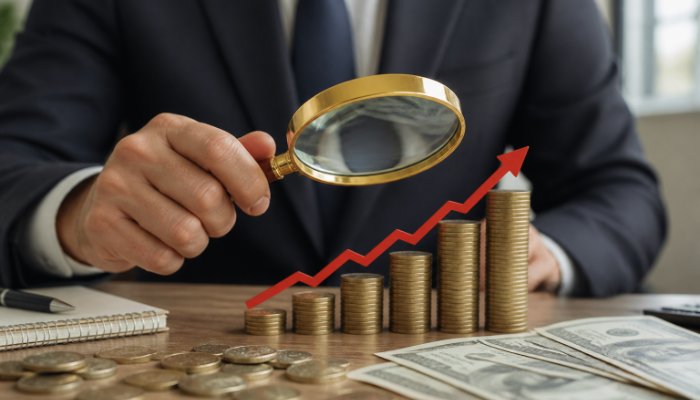
How Can You Mitigate the Effects of the Inflation Rate?
Understanding the inflation rate is one thing; proactively managing its impact on personal finances is another. While macroeconomic forces are beyond our control, we can implement strategies to protect wealth and purchasing power. This proactive approach is essential.
One effective way to combat inflation is through strategic investing. Letting cash sit idle in a low-interest savings account often means its real value diminishes; money needs to grow.
Diversifying assets across investment vehicles helps hedge against rising prices. Different asset classes perform differently during inflationary periods, so a balanced portfolio offers resilience. I always advise a broad approach.
Consider opportunities that traditionally perform well when the inflation rate is high, such as real estate or inflation-indexed bonds. These options can help preserve or grow capital.
Diversifying Investments Against the Inflation Rate
Diversification is fundamental for protecting wealth against the inflation rate. Spreading investments across different asset types minimizes risk and maximizes potential returns.
Include a mix of equities, fixed-income, commodities, and real estate. Equities offer long-term growth; commodities like gold can hedge inflation but are volatile. Consult a financial advisor for tailored advice.
The goal is for investments to provide returns exceeding the prevailing inflation rate, maintaining purchasing power long-term.
Adapting Spending Habits to Inflation
Beyond investments, adjusting personal spending habits significantly mitigates the inflation rate’s impact on daily life. Being mindful of where money goes allows for greater control—often the first line of defense.
This involves scrutinizing discretionary spending, finding cost-effective alternatives, or negotiating better deals. Every small saving preserves your budget; I personally look for value everywhere.
Building an emergency fund covering several months of expenses is critical when inflation is a concern, providing security.
Adapting to the economic landscape empowers smarter financial decisions, remaining informed and prepared.
Final Perspective
Understanding the complexities of the inflation rate is a practical necessity for everyone. It directly influences daily expenses, savings value, and financial planning. Grasping its mechanisms empowers informed decisions. Staying informed about economic indicators like the inflation rate helps secure your financial future.
