
Credit Cards Explained Simply: A Guide to Modern Finance
Understanding digital transactions requires a grasp of Credit Cards and their role in the global economy. These instruments represent an intersection of revolving debt, consumer trust, and banking infrastructure. Distinguishing between a simple loan and a revolving credit line is essential for mastering broader financial health.
Many assume carrying a balance is necessary for building history, but this often leads to unnecessary interest expenses. High interest rates are dynamic variables in a larger economic equation requiring careful management. I have found that timing payments effectively avoids these costs while utilizing institutional capital for personal liquidity.
This guide provides clarity to navigate limits, interest calculations, and rewards. You will gain a professional perspective on integrating these tools into a robust fiscal strategy. Let us examine the fundamental architecture of these essential instruments and how they function in a real-world context.
From a professional viewpoint, these accounts empower users to bridge the gap between pay cycles while keeping primary capital invested. Strategic fund movement without borrowing costs is possible through precise management of the grace period. I suggest viewing this cycle as a tool for optimization rather than just a convenience for daily purchases.
Why Are Credit Cards Essential for Modern Financial Stability?
From a macroeconomic perspective, these tools provide consumer protection and fraud prevention that cash transactions cannot match. When I analyze security protocols, it becomes clear that the bank acts as a buffer between primary assets and external threats. Consequently, using these instruments creates a secure environment for high-value transactions.
Beyond basic utility, these accounts are primary drivers of credit scores in many nations. A well-managed account demonstrates to lenders that a borrower can handle debt responsibly while adhering to strict repayment schedules. Furthermore, the integration of capital into digital wallets has streamlined global commerce, making them indispensable for participants in the modern economy.
Analyzing the Mechanics of Interest Rates
Interest rates on these accounts are typically annual percentage rates, representing the cost of borrowing over a year. This figure determines the daily periodic rate applied to the average daily balance of the account holder. Understanding this calculation is crucial for avoiding the compounding effects of debt over long periods.
Many fail to realize that interest is only charged when a balance is carried over. By paying the full statement balance, one can bypass these costs while reaping the benefits of the credit facility. My experience suggests that treating the account like a debit tool is the most efficient way to maintain fiscal health.
Leveraging Rewards for Economic Advantage
Reward programs incentivize usage by offering cash back, travel points, or discounts. When used as part of a deliberate plan, these incentives can offset annual fees associated with premium accounts. A professional who travels frequently might use a specialized card to accumulate airline miles for personal use.
This strategy requires a disciplined approach to ensure the pursuit of points does not lead to overspending. I have observed that successful users align card benefits with existing consumption patterns rather than changing behavior to chase rewards. This alignment ensures that the benefits gained are purely incremental to their standard financial operations.

How Do Credit Cards Impact Long-Term Credit Profiles?
Your interaction with these financial products is a significant factor in determining overall creditworthiness. Lenders look closely at the length of your history and the diversity of accounts maintained over time. According to Investopedia, credit history affects your ability to secure favorable terms on various types of financing.
Additionally, the relationship between total available credit and the amount used is the utilization ratio. Keeping this ratio low signals to the market that you are not overly reliant on debt. Maintaining multiple accounts with low balances can be more beneficial than having a single account that is frequently near its limit.
I have seen how a single missed payment can have a disproportionate impact on a score. Consistency is the most valued trait in credit reporting, and automated systems make it easier to maintain. Setting up reminders or automatic transfers is a simple but effective way to preserve one’s reputation with creditors.
Ultimately, the data stored by bureaus serves as a financial resume throughout your adult life. It influences insurance premiums, housing opportunities, and interest rates on major purchases. By treating these accounts with respect, one can build a solid foundation for future wealth creation and strategic asset acquisition.
The Role of Credit Utilization Ratios
Understanding Credit History Longevity
The age of your oldest account provides a window into your long-term relationship with financial institutions. Lenders prefer track records that span many years, as they provide a statistically significant sample of behavior. The earlier one starts building this history, the better positioned they will be for major life milestones.
In a practical sense, even a small card used once a month can serve as a powerful anchor. I often advise young professionals to open an account early and use it for a single recurring subscription. This approach builds a robust history without the risk of accumulating significant debt before having a stable income.
Is It Worth Using Credit Cards for Large Purchases?
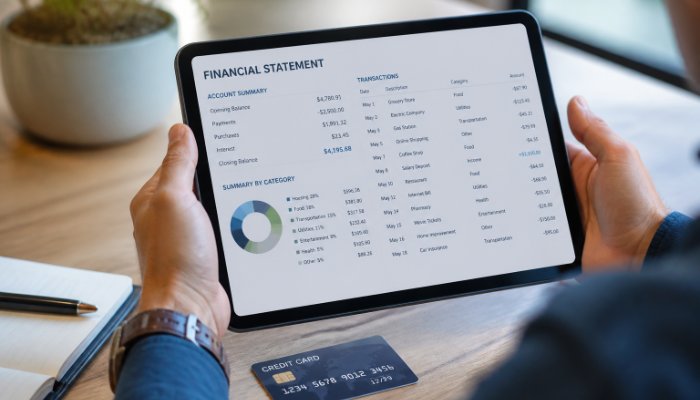
Using these tools for significant acquisitions is effective if the user has the liquidity to pay the balance immediately. The primary benefit is the purchase protection programs provided by many issuers. For instance, if a major appliance fails, the card company may cover repair costs or handle the dispute.
Moreover, large transactions can generate substantial rewards points that apply toward travel or statement credits. Although the initial price remains the same, the effective cost is reduced when these secondary benefits are factored in. In my professional opinion, this makes the credit option superior to wire transfers for most goods.
However, the strategy only works if the user avoids high-interest debt by paying the amount in full. If the balance lingers, interest charges will quickly negate any benefits gained from rewards. The card should be used as a medium of exchange rather than a long-term financing vehicle for lifestyle inflation.
Consequently, the decision to use credit for large buys should be part of a broader cash management plan. For those who are disciplined, the advantages in terms of points and record-keeping are undeniable. It transforms a simple transaction into a strategic move that enhances the overall value of the purchase.
Consumer Protection and Dispute Resolution
One overlooked feature is the ability to dispute a charge if a merchant fails to deliver promised services. Under various regulations, issuers are required to investigate claims of fraud or billing errors. As noted by the Consumer Financial Protection Bureau, consumers have specific rights when correcting errors on billing statements.
This legal framework provides a safety net not typically available with other forms of payment like cash or apps. Having an institutional ally during a dispute provides peace of mind in the global marketplace. This protection is a significant reason why I prefer using these cards for all international shopping.
Strategic Debt Management and Cash Flow
Managing the timing of outflows is a critical component of successful financial operations. Using a revolving line of credit allows for the consolidation of various expenses into a single monthly payment. This bird’s-eye view of spending is essential for identifying areas where costs can be optimized.
Furthermore, many organizations use these tools to manage working capital and ensure access to funds. This professional-grade approach to credit is becoming common among individuals who want to run personal finances with precision. Strategic use of these accounts can significantly improve cash flow efficiency when managed with discipline.
Perspectiva Final: Mastering the use of Credit Cards is a fundamental skill for navigating the modern financial landscape. By understanding interest mechanics, the importance of credit scores, and consumer protections, you can turn a payment tool into a powerful asset. Focus on maintaining discipline and strategic timing to ensure your habits support long-term stability and goals.
