
Mutual Funds Explained: A Smart Guide to Professional Investing
Building a solid financial foundation requires understanding how different investment vehicles operate within the global marketplace. Choosing Mutual Funds allows individuals to pool their capital with other investors to access a professionally managed portfolio of stocks or bonds. I believe this collaborative approach simplifies the complex world of asset selection for the average person.
It is vital to recognize that these vehicles are not just simple savings accounts with higher interest rates. They represent a dynamic collection of assets where the value fluctuates based on the underlying performance of the market holdings. This distinction is crucial for anyone aiming to manage risk while pursuing capital appreciation over time.
Many people assume that you need a massive fortune to start participating in the equity or debt markets effectively. However, the structures of most funds allow for modest entry points, making high-level diversification accessible to almost everyone regardless of their current net worth. This accessibility democratizes the path to building long-term wealth.
In the following sections, I will detail exactly how these instruments function and why they remain a staple in modern portfolios. You will learn how to evaluate various options and identify which strategies align with your personal objectives. Let us explore the mechanics and benefits of this popular investment choice.
How Do Mutual Funds Benefit Individual Investors?
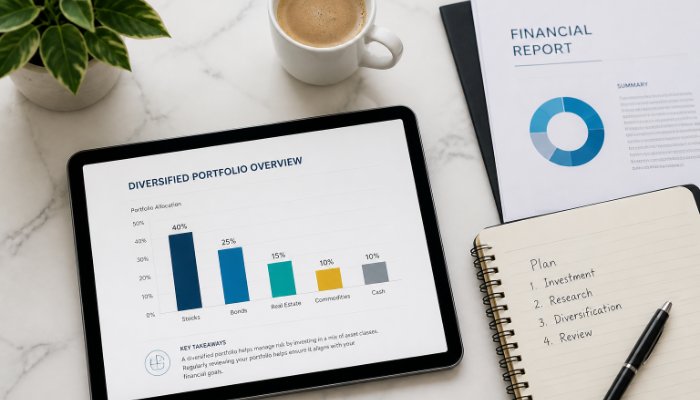
One of the primary advantages of this structure is the immediate diversification it provides to a single portfolio holder. Instead of buying one or two individual stocks, I can own a slice of hundreds of different companies through a single transaction. This spreading of risk is a fundamental principle of sound financial management.
Professional oversight is another significant reason why many choose this path rather than picking stocks manually. Fund managers spend their entire careers analyzing market data and economic trends to make informed buying and selling decisions. Consequently, you benefit from expert research without having to spend hours every day monitoring ticker symbols.
Liquidity is an often overlooked factor that makes these vehicles particularly attractive for long-term planning. You can generally sell your shares on any business day at the current net asset value, providing flexibility when cash is needed. Therefore, you maintain a level of control over your capital that is not always present in other illiquid assets.
Lower transaction costs also play a major role in the overall efficiency of your investment strategy. Because the fund trades in large volumes, it pays significantly less in brokerage commissions than an individual would pay for the same number of trades. This cost-sharing model enhances the net returns for everyone participating in the pool.
Accessing Diverse Market Sectors
Investors can gain exposure to specific niches like technology, healthcare, or emerging markets without needing specialized knowledge in those areas. By selecting a fund focused on a particular sector, I can capitalize on industrial growth while relying on the manager to pick the specific winners. This targeted approach allows for a customized risk profile tailored to your expectations.
Furthermore, these funds allow you to invest in asset classes that might be difficult to access otherwise, such as international corporate debt. Having a balanced mix of domestic and foreign assets is essential for navigating various economic cycles. It ensures that your retirement capital is not overly dependent on the performance of a single geographic region.
The Power of Automated Reinvestment
One of the most effective ways to grow wealth is through the automatic reinvestment of dividends and capital gains distributions. Most platforms allow you to set this up so that every penny earned is immediately put back to work buying more shares. Over time, this compounding effect can lead to significant growth even from small initial contributions.
Consider a scenario where an investor contributes a fixed amount every month regardless of market fluctuations. This practice, known as dollar-cost averaging, helps mitigate the impact of volatility by buying more shares when prices are low. It removes the emotional stress of trying to time the market, which is a common pitfall for most people.
Why Are Mutual Funds Preferred Over Individual Stocks?
Managing a portfolio of individual stocks requires a tremendous amount of time, discipline, and technical expertise that many people simply do not have. I have found that the convenience of having a professional team handle the rebalancing and selection process is worth the small management fee. It allows you to focus on your career and family while your money works in the background.
Moreover, the regulatory environment surrounding these funds provides a layer of transparency and security for the participant. Funds are required to provide regular reports detailing their holdings, performance, and expense ratios to the public. Mutual Funds are strictly governed by federal laws to ensure they operate in the best interest of their shareholders.
Professional Research and Analysis
Before moving on, it helps to understand what cost efficiency for small portfolios really involves. The next paragraphs break down the practical points that put this idea into everyday context.
Cost Efficiency for Small Portfolios
Additionally, the ability to buy fractional shares of the underlying assets within the fund is a major benefit. You do not have to wait until you have enough money to buy one expensive share of a premiere company. Every dollar you invest is spread across the entire portfolio immediately, ensuring your money is never sitting idle.
Is It Worth Investing in Mutual Funds for Retirement?
When planning for a period that is decades away, the consistency and historical performance of fund structures are hard to beat. I often tell my peers that the biggest risk is not market volatility, but the risk of outliving your money due to lack of growth. These funds provide the growth engine needed to stay ahead of inflation over the long haul.
Specifically, equity funds have historically outperformed inflation and savings accounts by a wide margin over twenty-year periods. While past performance does not guarantee future results, the track record of the global economy suggests that staying invested is the best strategy. To learn more about how markets are regulated, you can visit the official SEC website for detailed investor protection information.
Furthermore, many retirement plans, such as 401ks, are built specifically around a selection of these diversified funds. This integration makes it easy to automate your savings directly from your paycheck before you even have a chance to spend it. Automation is perhaps the most powerful tool for ensuring you actually reach your financial goals.
However, it is vital to keep an eye on the expense ratios, as high fees can eat into your returns over many years. Choosing low-cost index options is a popular way to ensure that the majority of the market’s gains stay in your pocket. Balancing cost with quality management is the secret to a successful retirement strategy.
Comparing Active and Passive Management
Active funds seek to beat the market benchmark through clever selection, while passive funds simply try to mirror the performance of an index. I have seen both strategies succeed, but passive index funds generally offer the lowest fees and highest tax efficiency. Deciding between these two depends largely on whether you believe a manager can consistently outperform the average.
Tax efficiency is another critical factor, as some funds are managed in a way that minimizes the capital gains distributions passed on to you. For those in higher tax brackets, selecting tax-managed funds can save thousands of dollars over the lifetime of the investment. It is always wise to consult a professional to see how these choices impact your specific tax situation.
Long Term Wealth Preservation
As you approach the age where you will need to withdraw your funds, you can shift from growth-oriented equity funds to income-oriented bond funds. This transition helps protect the wealth you have built from a sudden market crash just before you retire. The flexibility of moving between fund types is one of their greatest logistical advantages.
Many investors forget that reinvesting the small amounts of interest earned on bonds can also lead to significant totals over time. By maintaining a balanced approach and not putting all your eggs in one basket, you create a resilient financial future. Consistency in contributing to your chosen funds is more important than the specific day you decide to start.
Final Perspective
The journey toward financial independence is best traveled with tools that provide both security and growth potential through a diversified approach. By utilizing the professional management and broad market access inherent in these vehicles, you can build a robust portfolio that stands the test of time. Take a moment to review your goals and consider how adding these assets could help you achieve the stability and prosperity you deserve.
