
Student Credit Cards: A Strategic Guide to Building Credit
Student Credit Cards serve as specialized financial tools designed specifically for individuals who possess limited income and minimal prior exposure to credit reporting systems. Navigating the world of personal finance often begins with selecting these instruments to establish a verifiable history of fiscal responsibility. Student Credit Cards are not merely standard consumer lines with lower limits; they represent a distinct regulatory category with unique underwriting criteria for learners.
These accounts reflect the unique economic status of full-time or part-time students. Many people mistakenly assume these accounts function like high-limit rewards cards found in the corporate sector. I have observed that this misconception leads to mismanagement, as students might treat the available balance as supplemental income rather than a debt obligation.
This guide provides a technical analysis of how to use these financial vehicles to maximize benefits while avoiding pitfalls. By understanding the underlying mechanics of interest rates and reporting, you will be prepared to transition into the broader economy with a robust credit profile. Let us examine the specific advantages and structures that define this entry-point into the banking system.
The primary goal should always be the creation of a positive paper trail rather than the acquisition of purchasing power. Avoiding late payments at this stage is critical, as the negative impact of a single delinquency can linger on a report for several years. Successful users are those who automate their payments to ensure they never miss a reporting deadline according to consumerfinance.gov.
Why are Student Credit Cards essential for long-term financial health?
Establishing a credit history early serves as a fundamental pillar for future economic opportunities, such as securing housing or favorable insurance premiums. These specialized accounts provide a structured environment where minor clinical interactions with credit repositories can yield significant long-term score improvements. Consequently, the data generated through regular usage informs lenders of your reliability before you require larger loans.
I believe that the tactical use of these cards acts as a laboratory for financial behavior, allowing for errors to be corrected while the stakes remain low. Furthermore, the architecture of these accounts often includes features tailored to the educational phase. Understanding these nuances allows you to leverage the bank’s capital without incurring unnecessary interest expenses.
Understanding the mechanics of credit reporting
The way financial institutions relay information to bureaus is a technical process that dictates your future borrowing capacity. Student Credit Cards interact with these bureaus by reporting your payment history, credit utilization ratio, and the age of the account. Whenever you make a purchase, you adding data points to a complex algorithmic model that determines your risk level.
This process is not instantaneous, as most issuers update their records on a monthly cycle aligned with your statement date. You must ensure your balance remains low relative to your limit right before the reporting date to maintain a healthy utilization percentage. I have noticed that students who keep utilization under ten percent see the most consistent growth in their scores.
The impact of account age on future scores
The length of credit history is a significant factor in the scoring models used by most major lending institutions. By maintaining an account from your first year of university, you effectively increase the average age of your credit profile. This historical depth provides lenders with a larger sample size of your behavior, which generally leads to higher institutional trust.
A student who maintains an active card for four years will likely enter the workforce with a higher score than a peer who waits. I recommend keeping the original account open even after obtaining better Student Credit Cards in the future to preserve this crucial longevity. This strategy ensures that your earliest financial steps continue to bolster your profile for many decades.
How do Student Credit Cards differ from traditional consumer accounts?
The primary distinction lies in the underwriting process, which emphasizes enrollment status rather than a lengthy history of high-income employment. Traditional cards often require a substantial debt-to-income ratio analysis that a typical undergraduate would simply not pass. Within the niche of Student Credit Cards, issuers accept low-income thresholds to capture loyal customers early in their careers.
Additionally, the credit limits assigned to these accounts are typically much lower, often starting between a few hundred and a few thousand dollars. This restriction serves as a safety mechanism for both the lender and the borrower, preventing the accumulation of unmanageable debt. I suggest students view these limits as a structural boundary that encourages better budgeting habits.
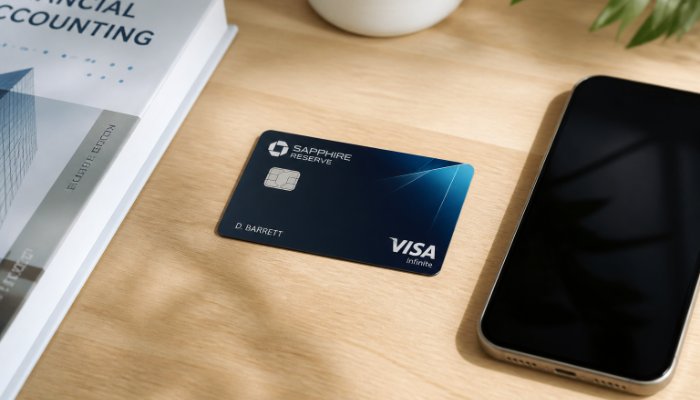
Many student-focused products offer rewards for academic performance or incentives for timely payments, which are rarely found in the general market. These features are designed to gamify responsible behavior and provide tangible feedback for good fiscal management. Nevertheless, you must remain vigilant, as the interest rates on these specialized cards can be higher than those offered to professionals.
It is also common for these cards to have simpler fee structures to accommodate users who are learning the intricacies of banking. Many issuers waive the first late fee or offer educational resources directly within the mobile banking application. I have found that engaging with these education tools can significantly reduce the steepness of the learning curve for users.
Analyzing interest rates and grace periods
The role of a cosigner or secured options
Alternatively, some institutions allow a parent to act as a cosigner, essentially guaranteeing the debt with their own credit profile. While this can result in higher limits, it also ties the student’s behavior to the cosigner’s financial health. I generally advise students to try for a secured card first to maintain independence and full control over their reputation.
What are the smartest strategies for managing Student Credit Cards effectively?
The most effective strategy revolves around the automation of fundamental tasks to eliminate the possibility of human error. Setting up an automatic payment for the full balance ensures that you never incur late fees or damage your growing credit score. Consequently, your focus remains on your studies rather than bill management every month.
I also recommend using the card for one small, fixed recurring expense, such as a streaming subscription or a cellular bill. By dedicating the card to a predictable cost, you guarantee monthly activity without the risk of overspending on impulsive purchases. Therefore, the utilization remains low and consistent, which is exactly the type of behavior that scoring algorithms prioritize.
Furthermore, you should regularly monitor your accounts through mobile apps to detect any unauthorized transactions immediately. The security features on Student Credit Cards are robust, but they require the user to be active in the oversight process. Besides, seeing the real-time impact of your spending helps reinforce the connection between digital transactions and actual budget constraints.
Finally, request a credit limit increase only after demonstrating at least six to twelve months of perfect payment history. Higher limits can help your score by lowering your utilization ratio, provided you do not increase your spending in tandem. I have seen many individuals successfully transition to premium cards shortly after graduation by following these precise, disciplined steps.
Avoiding common psychological traps of credit
The availability of credit can create a false sense of liquid wealth, leading to lifestyle creep that haunts many people. You must distinguish between the ability to pay a minimum balance and the ability to afford the actual purchase. A technical approach involves checking your bank balance before ever swiping the card to ensure the funds exist.
Research indicates that people often spend more when using cards versus cash due to the reduced psychological pain during the transaction. To counter this, I suggest tracking every Student Credit Cards purchase in a separate ledger or budgeting app to maintain a connection to your money. This habit prevents the end-of-month shock that occurs when a statement is higher than anticipated.
Transitioning to post-graduate financial products
As graduation approaches, the utility of a student-specific card may begin to wane as your income potential increases. You should begin researching graduate or professional cards that offer better rewards, travel benefits, or lower interest rates. The track record you built using these student accounts will be the primary evidence you present to new lenders.
It is often possible to perform a product change with your existing bank, allowing you to upgrade without closing the original account. I advise speaking with a bank representative a few months before graduation to discuss these options. This proactive approach ensures that your financial tools grow at the same pace as your career trajectory.
Final Perspective
